How to Clean Golf Clubs Without Damaging Them
To clean golf clubs, dip only the iron and wedge heads in warm soapy water for a few minutes, scrub the grooves with a soft brush, rinse, and dry immediately.
How to Clean Golf Clubs: The Quick Answer
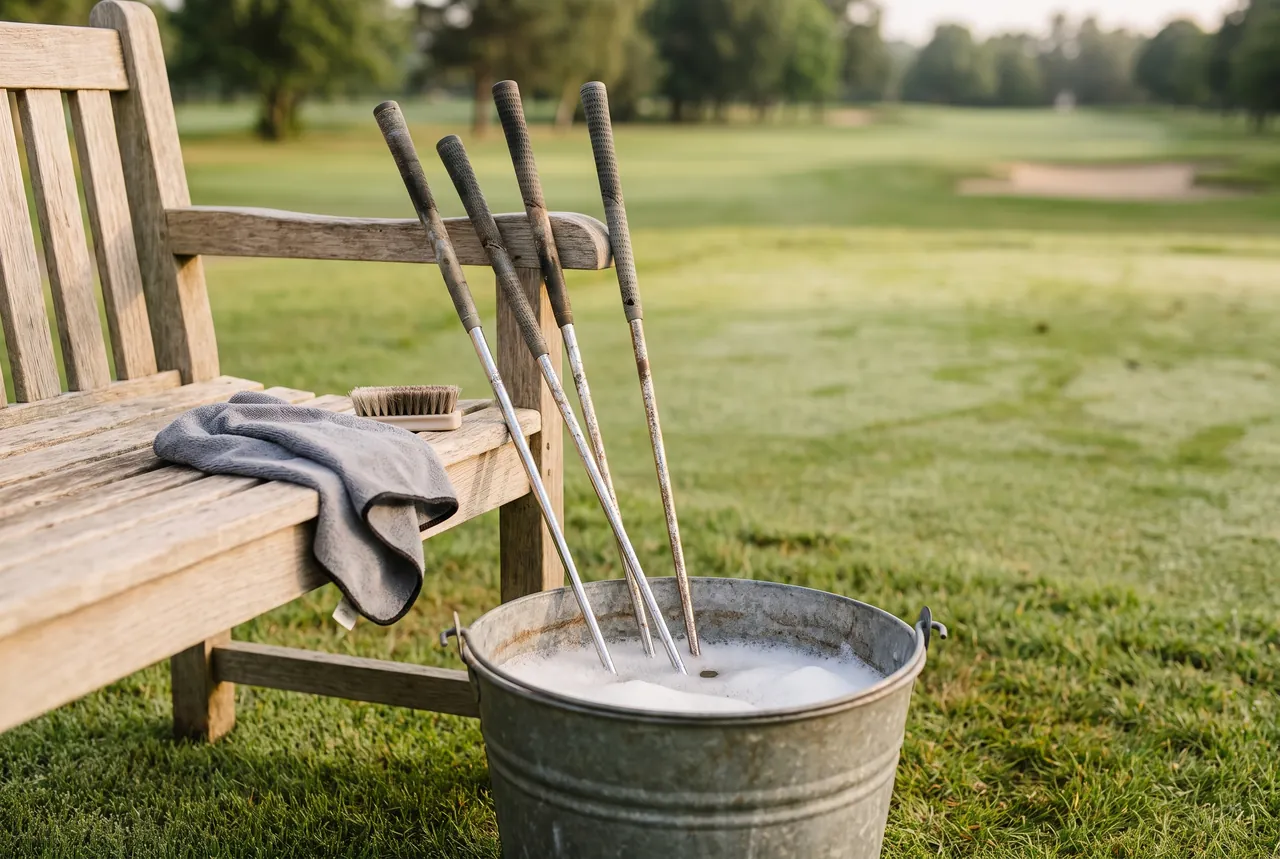
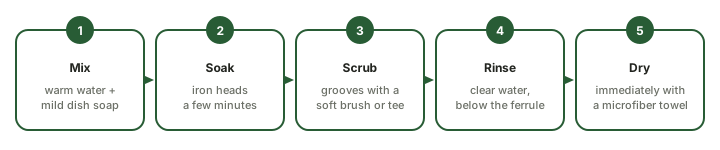
To clean golf clubs, mix warm water with a little mild dish soap, soak only the iron and wedge heads for a few minutes, gently scrub the face and grooves with a soft brush, rinse, then dry immediately. Keep the ferrule, shaft and every wooden or composite head out of the water.
If you want to clean your golf clubs properly at home without damaging finishes, ferrules or grips, this guide is for you.
It covers club cleaning for irons, wedges, drivers, fairway woods, hybrids, putters, grips and shafts, plus rust, WD-40, and what to avoid.
It matters for your golf game: clean clubs and grooves hold spin and control, while dirty golf clubs and trapped moisture invite rust.
Cleaning Supplies You Need
Learning how to clean golf clubs starts with simple, cheap cleaning supplies. According to Titleist, clubs can be cleaned with mild soap and water, so you do not need special products.
- A bucket of warm water with a squirt of mild dish soap (MyGolfSpy names Dawn)
- A soft bristle brush or nylon brush for faces and grooves
- An old toothbrush for hard to reach areas
- A wooden tee to clear packed grooves
- A microfiber towel or soft cloth for drying
How to Clean Irons and Wedges
Irons and wedges are where a proper soak pays off when you clean your golf clubs, because caked soil in the grooves is what costs you spin. Work through the golf club cleaning process one club at a time.
Step 1: Mix Your Cleaning Solution
Mix warm water with a few drops of mild dish soap to make your cleaning solution. Keep it warm rather than hot: Golf Monthly warns hot water risks loosening the ferrules that bond the head to the shaft.
Step 2: Soak Only the Iron Heads
Soak only the iron heads and wedge heads, and only for a few minutes. MyGolfSpy is clear that the ferrule and everything above it must stay out of the water.
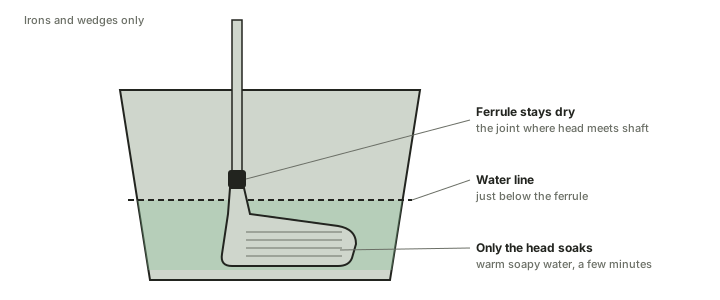
A few minutes lets the solution loosen dirt in the grooves; many guides put the soak at 5-10 minutes, though the exact time varies by how dirty the clubs are.
Step 3: Gently Scrub and Clean Grooves
Gently scrub the face with a soft bristle brush, working along each groove to remove debris. For stubborn dirt, drag a wooden tee through the golf club grooves without scratching.
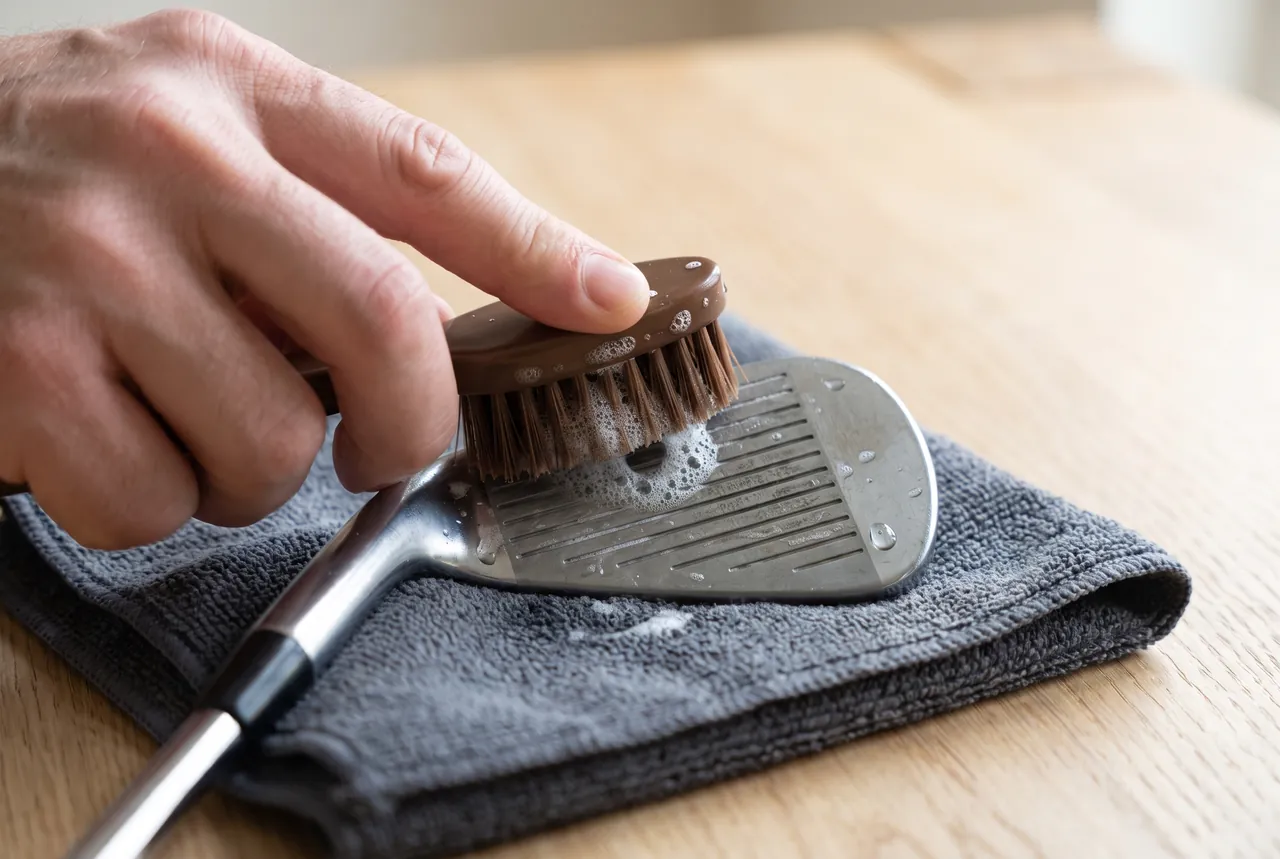
Clean grooves matter: Vokey says dirty grooves mean less spin and less control, and a Golf Digest test found dirty faces can cost you about half your wedge spin.
Step 4: Rinse
Rinse each head under gently running water to flush away soap residue and loosened grit. Keep the stream on the head so no water runs up into the ferrule.
Step 5: Dry Immediately
Towel each head dry with a microfiber cloth, getting into the grooves and around the hosel. Moisture left behind invites rust, so do not leave clubs sitting wet.
How to Clean Drivers, Fairway Woods and Hybrids
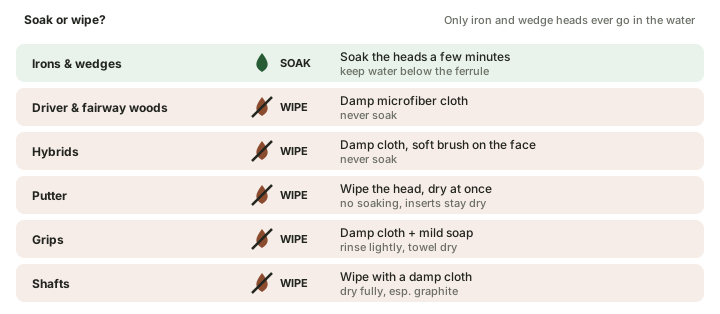
Never soak drivers, fairway woods or hybrids. Golf Monthly advises against submerging woods, so clean these club heads with a damp cloth instead.
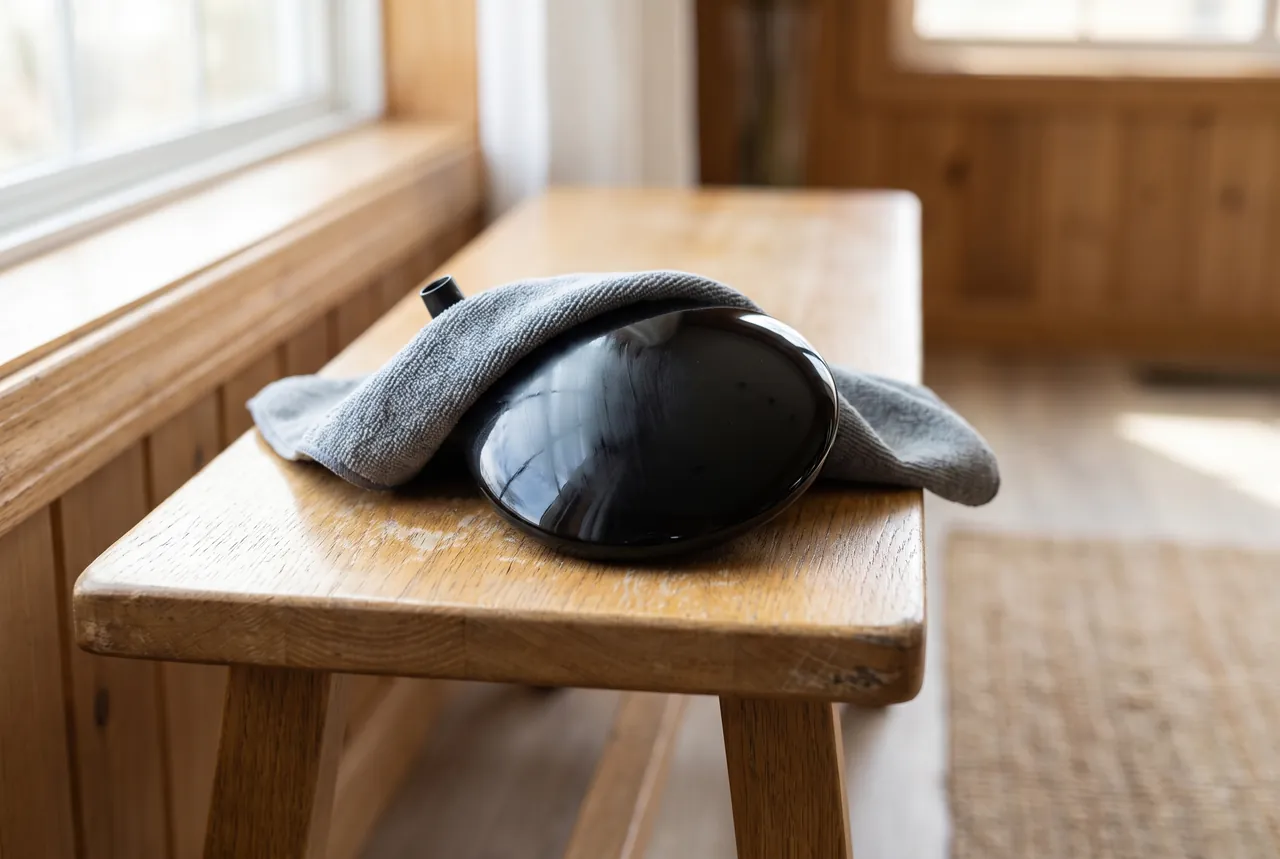
Many of these heads are hollow and bonded, some with carbon fiber crowns, so a damp cloth and a soft bristle brush are the cautious way to wash golf clubs of this type.
Vokey's own club brush uses a soft nylon side for metal woods, so keep the bristles gentle. Wipe the head, gently scrub the face, then dry with a soft cloth to restore shine.
How to Clean a Putter
Clean a putter with a damp cloth, never a soak. Golf Monthly groups putters with woods as clubs you should not submerge.
Wipe the face and sole, use a soft brush for any milling or insert, then buff dry. A wipe after each round keeps the face true without risking water in the head or hosel.
How to Clean Golf Club Grips
To clean golf club grips, use a soft brush with mild soap and water, then dry them thoroughly. Golf Pride advises cleaning grips between rounds this way to keep tack and control.
How to Clean Grips Between Rounds
Scrub gently along the grip with soap and water, or a dedicated grip cleaner, to lift oils and sweat; rinse lightly, then dry with a soft cloth. Regular cleaning helps the surface keep its tack between replacements.
When to Replace Worn Grips
Golf Pride recommends replacing golf grips roughly every 40 rounds or at least once a year. Grips that have gone slick or hard need replacing no matter how well you clean them.
How to Clean Golf Club Shafts
Shaft care is the easiest part of club cleaning: wipe golf club shafts with a damp cloth after each round to lift dirt and moisture. A quick gentle wipe stops grime building where the shaft meets the head.
Dry the shafts of your golf clubs with a soft towel afterward. WD-40's US article suggests Multi-Use on shafts against corrosion, but keep any spray off the grips so they stay tacky.
Raw Faced Wedges and Light Rust
Raw (unplated) wedges will rust by design, according to Vokey, so light rust on the face is normal, not a defect. Cleveland notes the long-term effect of rust is spin degradation, so keep it in check.
Callaway suggests wiping raw faced wedges with a lubricant-cleaner to help prevent rust, and Roger Cleveland recommends a Scotch-Brite purple synthetic pad for cleaning them.
Fine steel wool and white vinegar are often suggested online for rust, but this is not manufacturer advice — we found no maker that recommends fine grade steel wool or vinegar for clubs. Treat them as forum tips, not fact.
Can You Use WD-40 on Golf Clubs?
Yes, mostly as a protectant after cleaning. WD-40's own UK guide starts with soap and warm water, then uses Multi-Use to leave a barrier that repels dust and moisture.
WD-40's US article uses its Specialist Degreaser & Cleaner on clubheads and Multi-Use on shafts against corrosion. Keep it off your golf grips — that caution is ours, since oil kills grip tack.
What Not to Clean Your Golf Clubs With
When you clean your golf clubs, avoid harsh chemicals, abrasive cleaners and hot water, and keep wire brushes off wedges and woods. Mild soap does the job, so there is little reason to risk a finish.
- Harsh chemicals and solvents: no maker lists them, and mild soap is enough
- Metal brushes on wedges and woods: Vokey's club brush pairs nylon for wedges and metal woods with brass for irons
- Very warm water near the ferrule (Golf Monthly warns it can loosen)
- No manufacturer recommends steel wool on clubs
- Never sharpen grooves — cleaning is fine, altering them is not
Why You Should Never Sharpen Grooves
Clean grooves are legal; sharpened ones may not be. Per the USGA, grooves deliberately altered by filing or a groove-scoring tool make the club count as new, so it must meet current groove rules, and a Cleveland product manager says never have grooves sharpened.
Pressure Washers and Dishwashers
We found no manufacturer guidance on pressure washers or dishwashers, and GOLF.com even suggested a power washer in 2019. The safe common ground is cautious: keep water away from ferrules and hollow heads, so a bucket and brush remain the reliable route.
Quick Cleaning on the Course
For quick cleaning during a round, keep a wet cloth on one side of your golf bag and a clean towel on the other and gently wipe each face after a shot. Wiping dirty clubs straight away removes dirt before it dries into the grooves.
A small brush on the bag handles caked grooves between holes. This bit of regular cleaning keeps spin, and your golf game, consistent without a full deep clean every time.
How Often to Clean Golf Clubs and How to Store Them
Knowing how to clean golf clubs is only half of club cleaning; timing is the other half. Clean club faces after every round with a damp cloth, and give irons a more thorough cleaning with soapy water every few rounds. Cleaning your clubs regularly keeps grooves working and stops dirty clubs turning into a deep-clean job.

Storage is half the battle of keeping clean clubs. Titleist warns that storing clubs in wet headcovers can lead to rust and corrosion that may not be covered by warranty, so let everything dry fully before it goes back in the bag.
| Task | How often |
|---|---|
| Wipe faces with damp cloth | After every round |
| Deep clean irons | Every few rounds |
| Clean grips (soap and water or a grip cleaner) | Between rounds |
| Replace grips | ~Every 40 rounds or yearly |
Frequently Asked Questions
What is the best thing to clean golf clubs with?
Warm soapy water and a soft bristle brush. Titleist says mild soap and water is enough, so you rarely need special cleaning supplies. Use a wooden tee for caked grooves and a microfiber cloth for drying.
Is Dawn dish soap bad for golf clubs?
No. MyGolfSpy specifically names Dawn as a fine choice, and mild dish soap in warm water is a safe cleaning solution for iron heads. Just rinse off any soap residue and keep the ferrule dry.
Can you use WD-40 to clean golf clubs?
WD-40's own golf guides use Multi-Use mainly as a protectant after cleaning. The WD-40 UK guide cleans first with soap and water, then uses Multi-Use to leave a barrier against moisture. Keep it off your grips.
How do I make my golf clubs look new?
Start with a proper golf club cleaning: wash the heads, gently scrub the grooves and dry them. A chrome polish on plated (not raw) irons is a common final polish to restore shine. Skip abrasive cleaners and steel wool; no maker recommends them.
Can you soak all golf clubs in water?
No. To clean your golf clubs safely, only soak iron and wedge heads for a few minutes and keep the ferrule out of the water. Never soak drivers, fairway woods, hybrids or putters — clean those with a damp cloth.
How do you remove light rust from wedges?
For raw faced wedges, Callaway suggests a lubricant-cleaner and Roger Cleveland recommends a Scotch-Brite purple pad. Steel wool and vinegar are often suggested online but are not manufacturer advice.
How often should I clean golf club grips?
Golf Pride advises cleaning grips between rounds with a soft brush and soapy water, then drying thoroughly. Replace worn grips roughly every 40 rounds or at least once a year to keep grip life and traction.